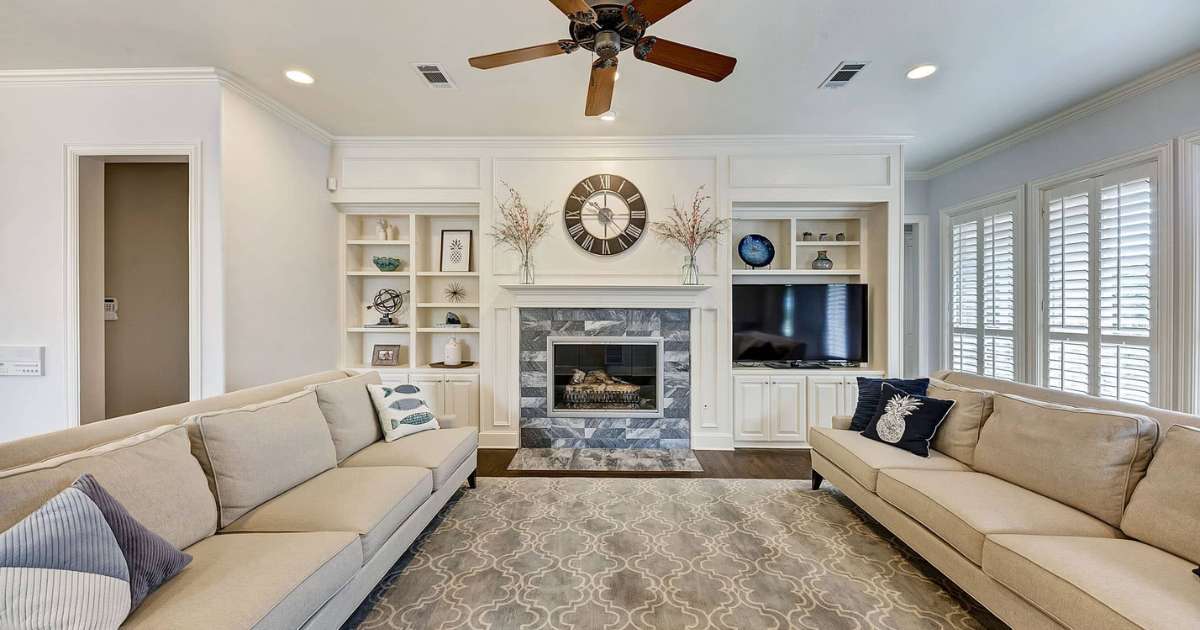
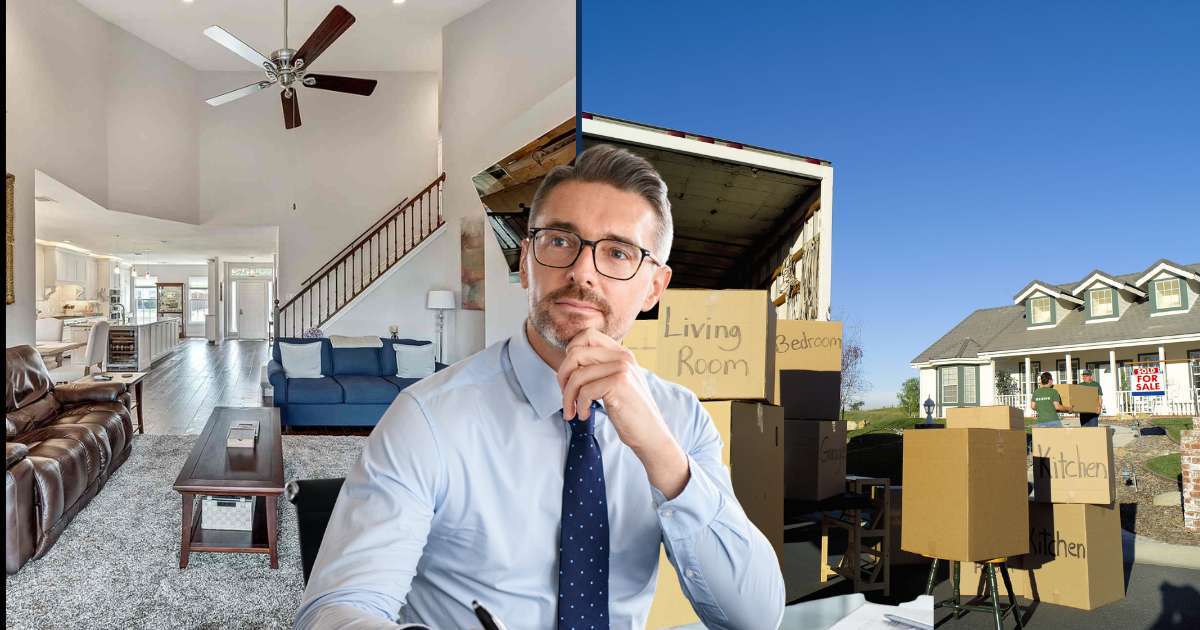
Deciding whether to remodel or move is a big moment for many Plano homeowners, and it’s rarely a simple yes-or-no answer. This guide is designed to help you slow down, reflect, and evaluate what truly makes sense for your home, your lifestyle, and your future.
This blog walks homeowners through key signs that remodeling may be the better choice than moving, covering lifestyle changes, market availability, emotional attachment, accessibility, and long-term comfort.
These are the top signs we're covering:
Sign #1: You Love Your Location, But Not Your LayoutSign #2: You Can’t Find a Home That Truly Feels Like an Upgrade
Sign #3: You’re Emotionally Attached to Your Home
Sign #4: Your Lifestyle Has Changed, But Your Home Hasn’t
Sign #5: You Want Long-Term Comfort, Not Another Short-Term Move
Questions to Ask Yourself Before Deciding to Remodel or Move

Sign #1: You Love Your Location, But Not Your Layout
For many Plano homeowners, the struggle isn’t the neighborhood but the house itself. You can love where you live and still feel like the layout is working against you more than it’s helping.
Established Plano Neighborhoods vs. Newer Developments
While newer homes may offer modern layouts, Plano’s established neighborhoods stand out for mature trees, larger lots, and community feel benefits that often come at the expense of higher costs or longer drives elsewhere.
Proximity to Schools, Work, Amenities, and Community
Being close to top-rated schools, familiar commutes, favorite restaurants, parks, and community spaces is something many Plano homeowners realize they don’t want to give up once they consider moving.
Remodeling allows you to enhance how your home functions without disrupting the connections and lifestyle you’ve already built around it.
Sign #2: You Can’t Find a Home That Truly Feels Like an Upgrade
Many Plano homeowners start house hunting expecting to find something clearly “better,” only to realize how hard that is in today’s market. Instead of feeling excited, the search often becomes a series of compromises that don’t actually improve day-to-day living.
Compromising on Layout, Finishes, or Lot Size When Shopping
It’s common to find homes with one or two appealing features, but rarely everything you want.
You might love the layout but dislike the finishes, or find updated interiors on smaller lots that don’t compare to what you already have.
Paying a Premium for Homes That Still Need Updates
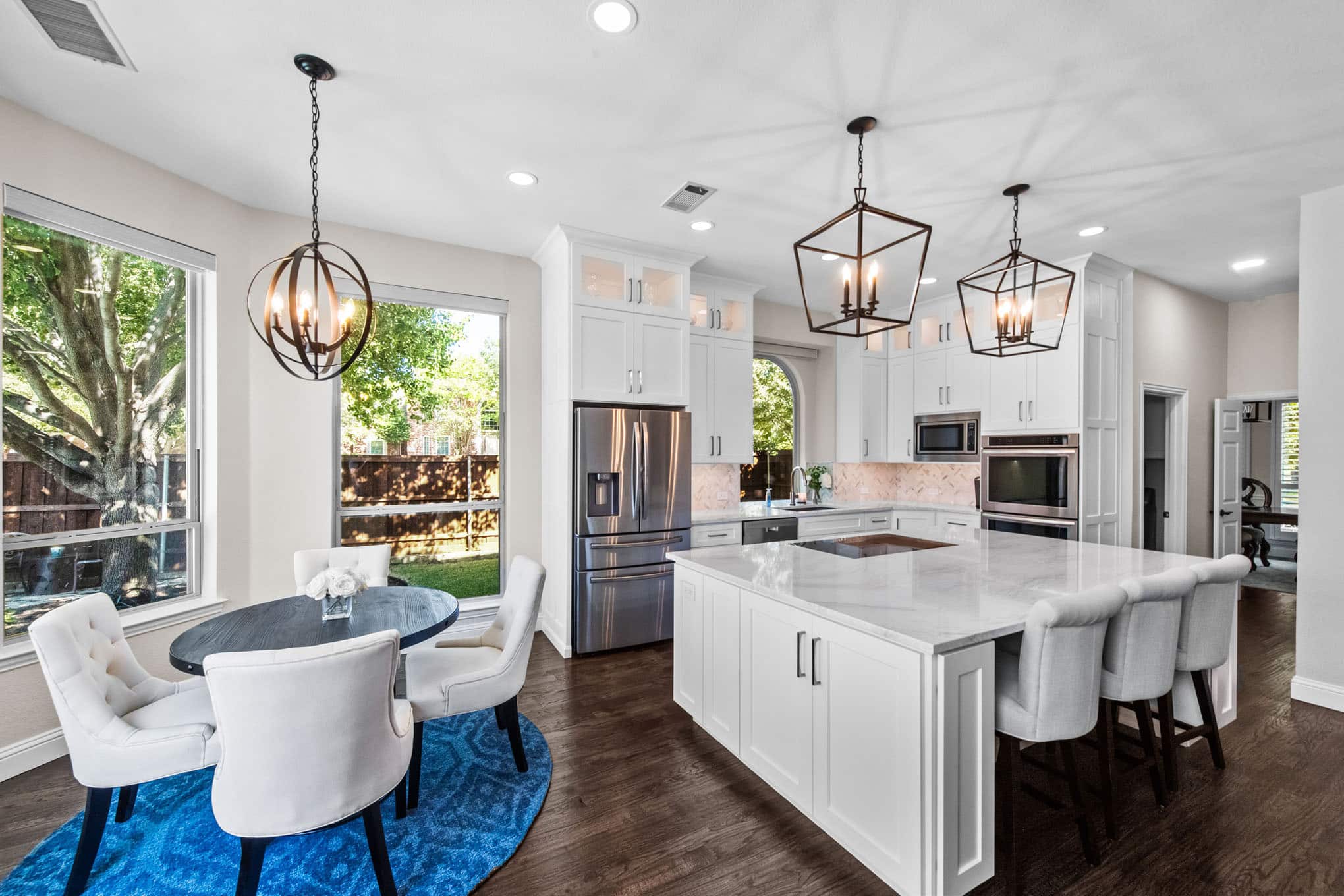
Buyers are often surprised to find themselves paying top dollar for homes that still need kitchen updates, accessibility bathroom updates, or layout changes to truly feel right, making remodeling a more intentional and cost-effective choice.
Remodeling Lets You Control the Outcome Instead of Settling
Remodeling shifts the equation from compromise to customization. Instead of accepting someone else’s design choices, you can invest in the features, layout, and finishes that actually matter to you, creating a home that feels like a genuine upgrade without leaving the location you love.
Sign #3: You’re Emotionally Attached to Your Home
For many homeowners, the decision to remodel or move isn’t purely financial. It’s deeply personal. When a house has been part of your life for years, the idea of leaving can feel heavier than expected, even when the home no longer functions perfectly.
Memories, Customization, and Personal History
Homes hold more than furniture. They hold milestones. From family gatherings and holidays to renovations you’ve already invested in, your home reflects years of life and personal choices that can’t be replicated elsewhere.
The Emotional Cost of Leaving vs. Improving
Moving often comes with a sense of loss that doesn’t show up on a spreadsheet.
Leaving familiar spaces, neighbors, and routines can feel disruptive, while remodeling offers a way to improve what isn’t working without letting go of what already feels like home.
Why Many Homeowners Regret Moving When Remodeling Was Possible
Many homeowners realize after moving that the new house doesn’t quite feel right. They miss their old neighborhood, wish they’d customized the layout, and regret not exploring remodeling more seriously once everyday life settles in.
Remodeling Lets Your Home Grow With You
Instead of walking away, remodeling gives your home the chance to evolve alongside you. You can improve comfort and function without losing the history, warmth, and sense of place that already make it feel like home, creating something that feels renewed, not replaced.

Sign #4: Your Lifestyle Has Changed, But Your Home Hasn’t
Life rarely stays the same for long, but without updates, homes do. When the way you live evolves, and your home doesn’t evolve with it, even a house you love can start to feel limiting instead of supportive.
Working From Home, Multi-Generational Living, and Aging in Place
Over the last several years, many Plano homeowners have seen their homes take on new roles. Spaces that once worked fine now need to support focused workdays, shared living across generations, or long-term comfort and accessibility. When a home isn’t designed with this flexibility in mind, daily routines can feel more stressful than they need to be.
Growing Families or Empty Nesters With New Priorities
As families grow, homes are asked to work harder.
Kitchens get busier, storage needs increase, and shared spaces must support overlapping routines that can make once-spacious homes feel tight. Empty nesters often face the opposite challenge, with unused bedrooms and core spaces like kitchens and primary suites no longer reflecting how they actually live, leading many to want better space rather than more space.
Remodeling as a Way to Realign Your Home With Your Life
Remodeling gives homeowners the opportunity to reshape their home around their current reality, not their past one. By rethinking layouts, improving flow, and focusing on the spaces that matter most now, your home can once again feel comfortable, intentional, and aligned with the life happening inside it.
Sign #5: You Want Long-Term Comfort, Not Another Short-Term Move
For many Plano homeowners, the real priority goes beyond just making a change. It’s making the right change for the long run.
If you’re thinking about how your home will feel five, ten, or even fifteen years from now, comfort and accessibility quickly become central to the decision.
Planning to Stay in Plano for 5–10+ Years
If you plan to stay in Plano long-term, remodeling allows you to proactively create a home that’s easier to live in now and adaptable for the years ahead.
Moving Often Requires Accessibility Updates Anyway
Many homeowners assume that buying a different home will automatically solve long-term comfort concerns, but that’s rarely the reality. Even newer or recently updated homes often need changes to truly support accessibility and ease of use, which means additional projects after the move.
Common accessibility updates homeowners end up making after buying include:
-
-
-
-
Widening tight walkways and kitchen pass-throughs
-
Reworking kitchens for better reach, clearance, and circulation
-
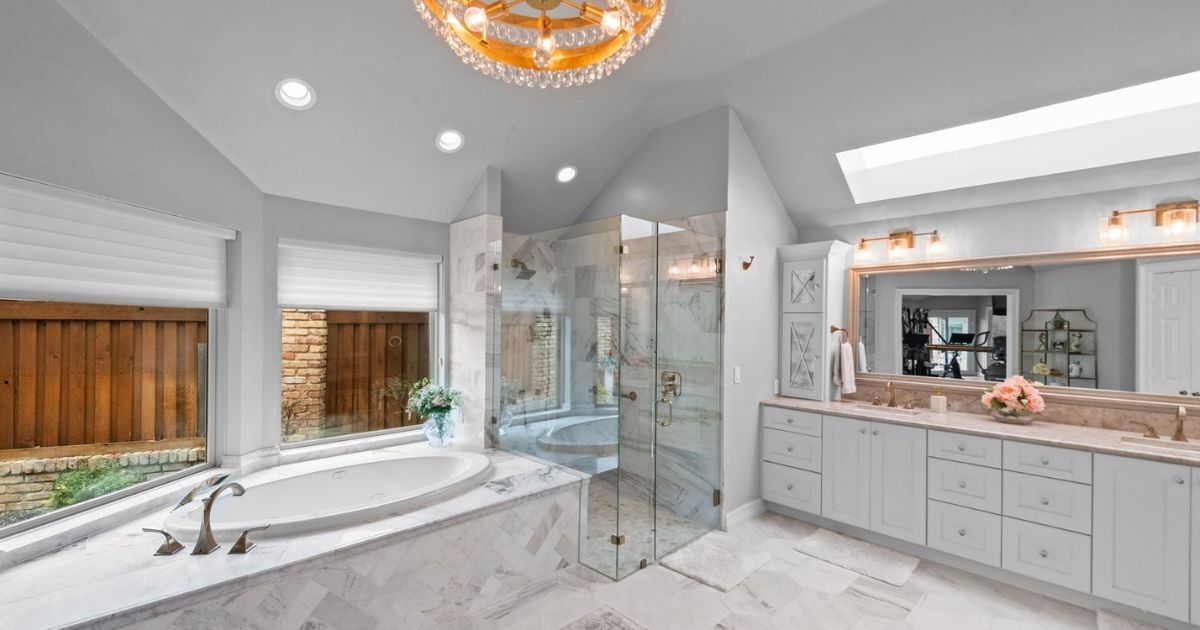
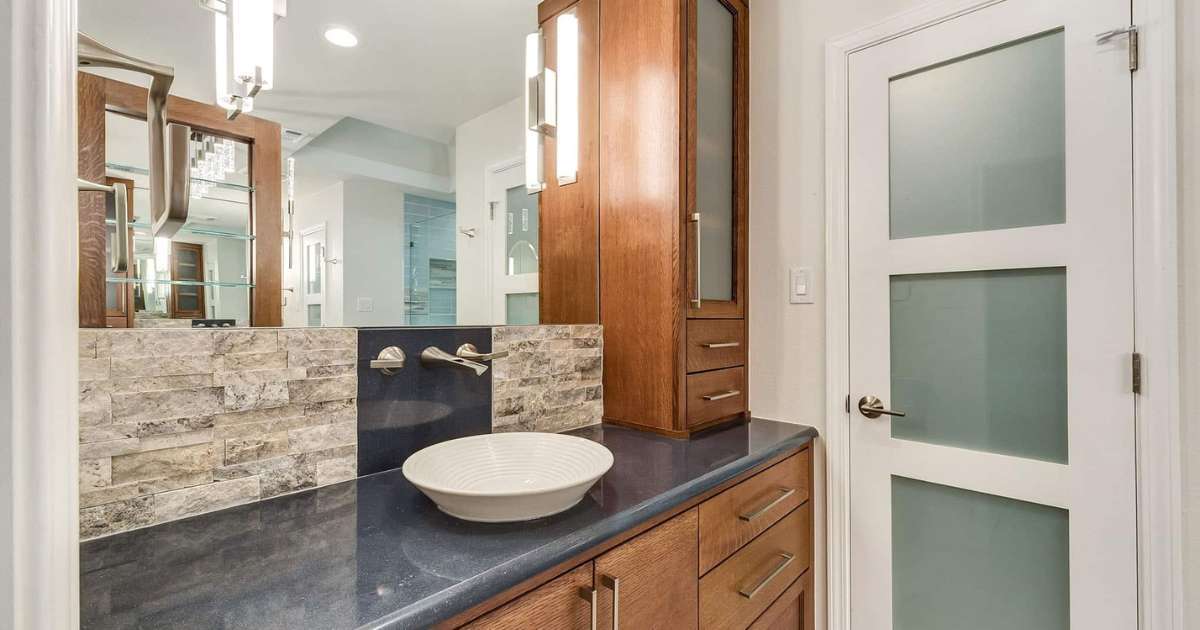
Updating bathrooms with safer showers, grab support, or better layouts
-
Adjusting entryways with fewer steps or smoother transitions
-
Lowering or reconfiguring storage for easier daily access
-
-
-
Remodeling as an Investment in Daily Quality of Life
Accessibility-focused design removes friction from everyday routines. When spaces are easier to move through and use, the entire home feels calmer, safer, and more enjoyable for everyone who lives there.
Questions to Ask Yourself Before Deciding to Remodel or Move
Before making a big decision, take a step back and walk through these questions honestly. The answers often bring clarity faster than market stats or outside opinions.
About Your Location and Emotional Attachment:
-
Do I genuinely love our neighborhood, schools, commute, and community?
-
If we moved, would we realistically find a location we like just as much or would that be a compromise?
-
Am I attached to this area for reasons beyond the house itself?
-
How emotionally attached am I to this home and the life we’ve built here?
-
Would leaving feel like a relief or a loss?
-
Am I more excited about improving what we have, or starting over somewhere new?
About Cost & Value:
-
Have I fully accounted for the true cost of moving: commissions, closing costs, higher interest rates, and post-purchase updates?
-
If I invested that same amount into my current home, would it solve most of our challenges?
-
Which option offers better long-term value for our lifestyle, not just resale?
-
Would remodeling allow me to reinvest in areas I use every day instead of paying for features I don’t need?
-
Am I prepared for the financial uncertainty that can come with buying in a competitive market?
About Long-Term Comfort & Accessibility:
-
Can I see myself living comfortably in this home 5–10 years from now?
-
Would a new home still require updates to feel accessible, safe, and easy to use?
-
What changes would make everyday life feel simpler and more comfortable?
-
Does my current home have the flexibility to adapt as my needs change over time?
About Control & Customization:
-
Do I want to adapt my home to fit us, or adapt ourselves to a different home?
-
How important is it to have control over layout, finishes, and functionality?
-
Am I willing to compromise, or do I want a space that truly reflects us?
-
Would I feel satisfied living with design decisions someone else made?
-
How important is it to customize spaces around our routines instead of adjusting to a new floor plan?
-
Do I value certainty in the outcome, or am I comfortable taking chances with a new home?
The Final Gut-Check:
-
Am I considering moving because it’s the best option, or because it feels like the default one?
-
Have I fully explored what remodeling could realistically accomplish?
-
Would talking through both options with an experienced professional help me decide with more confidence?
-
If nothing changed for another year, would I regret not acting or feel relieved I waited?
-
When I picture daily life five years from now, does it happen in this home or somewhere new?
Remodel or Move? Let's Talk About Your Options
There’s no single right answer when choosing between remodeling and moving. Taking time to evaluate your needs, your home, and your long-term plans often brings more clarity than rushing into the market.
At Elite Remodeling, we believe the best projects start with thoughtful conversations, not pressure. If you’re weighing your options, we’re here to help you explore what’s possible and decide your next step. Reach out to us to schedule a consultation, and we'll help you weigh your options.