

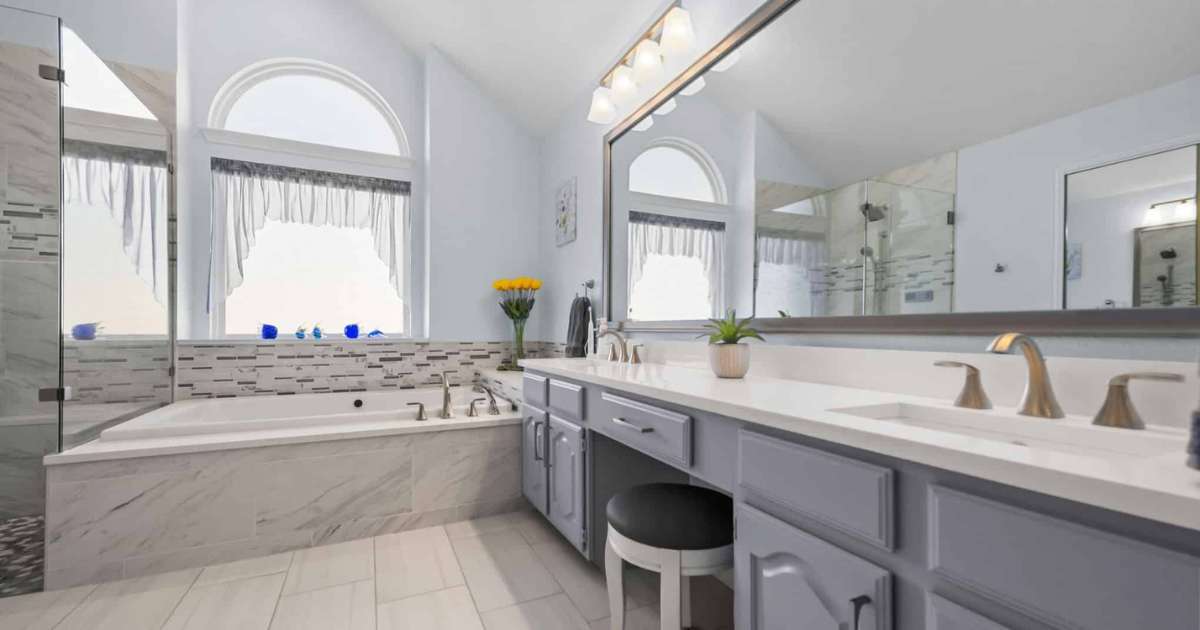
The hardest part of remodeling isn’t construction. It’s not knowing what to expect. A clear, well-defined process turns a complex project into something structured, guided, and far more manageable.
In this blog, we walk through Elite Remodeling’s proven home remodeling process in Frisco, from pre-measure consultation through construction and completion. You’ll learn what to expect at each phase and how thoughtful planning leads to smoother, more predictable results.
Here’s a glimpse of our process and more insights in this blog:
What Is a Design-Build Remodeling Process?
Phase 1: Pre-Measure Consultation
Phase 2: Design & Selections
Phase 3: Project Development & Detailed Estimating
Phase 4: Construction & Project Management
Phase 5: Final Walkthrough & Project Completion
Your Warranty & Long-Term Peace of Mind
Where Remodeling Projects Typically Go Wrong
Checklist: How to Know You’re Ready for a Home Remodel
Common Questions About the Home Remodeling Process
What Is a Design-Build Remodeling Process?
The design-build remodeling process is a more straightforward way to approach a project, where one team handles everything from design through construction.
Instead of juggling separate designers, contractors, and timelines, you’re working with a single team that keeps everything connected from the start. Your layout, selections, and budget are all moving in the same direction, which makes decisions feel a lot less overwhelming. When those early pieces aren’t fully aligned, that’s when delays and surprises tend to show up.
With a design-build approach, everything is working together from day one. It creates a process that feels more organized, more predictable, and honestly… a lot easier to move through.
Phase 1: Pre-Measure Consultation
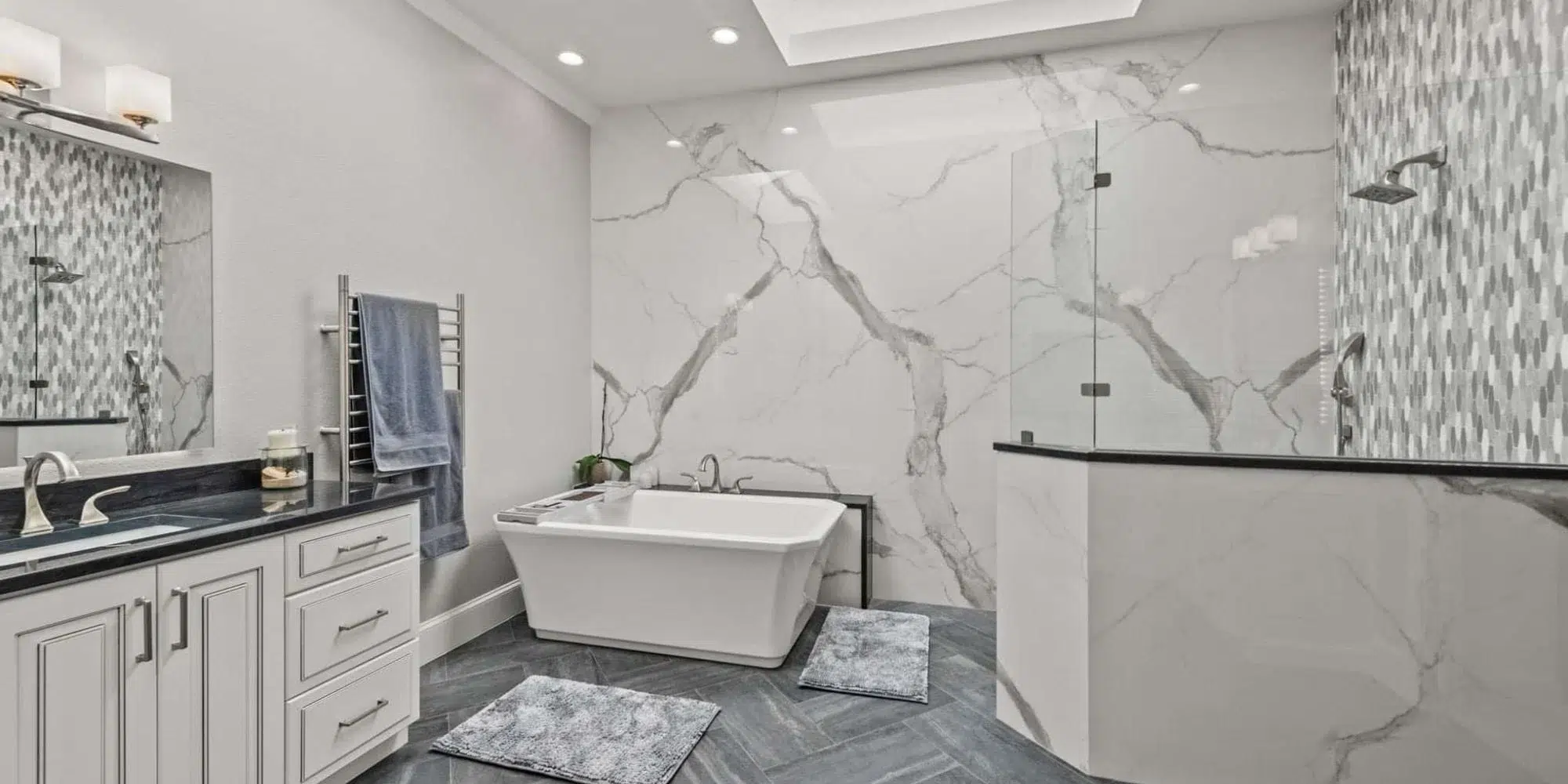
Every successful remodel starts with a clear understanding of the home, the homeowner’s goals, and what’s realistically possible within the space.
What Happens During This Phase
The process begins with an in-home consultation where the team evaluates the existing layout, takes preliminary measurements, and learns how you currently use the space. This is where priorities, frustrations, and ideas all come into focus.
What Homeowners Should Expect
At this stage, you’ll receive a preliminary budget range based on your goals, layout, and level of customization. It’s an open, honest conversation designed to align expectations early, before time is invested in detailed design.
Why This Step Matters
This phase sets the direction for everything that follows. When vision and budget are aligned from the beginning, the entire project moves forward with more clarity, fewer surprises, and better decision-making.
At this stage, you’ll receive a preliminary budget range based on your goals, layout, and level of customization. It’s an open, honest conversation designed to align expectations early, before time is invested in detailed design. If you’re still evaluating remodeling companies, reviewing the right questions to ask a contractor can help you make a more informed decision before starting your project.
Phase 2: Design & Selections
This is where things start to get real. It’s where your ideas begin turning into actual plans, materials, and a space you can start to picture.
You’ll work closely with a design team to fine-tune the layout, improve how everything functions, and shape the overall look and feel. Throughout this phase, we make sure every choice supports how you’ll use the space day to day.
During this phase, you’ll typically focus on:
- Layout development: Improving flow, solving problem areas, and making the space easier to live in
- Material selections: Cabinetry, countertops, fixtures, and all the details that bring it together
- Showroom guidance: Making decisions with real-time input on products, pricing, and what actually works
If everything feels like the right fit, this is when things move into a design agreement. From there, your plans get dialed in, selections are finalized, and the project really starts taking shape.
Why Selection Coordinators Make a Big Difference
One of the most helpful parts of this phase is having someone guide you through all the decisions.
Instead of trying to figure out how each choice impacts your budget, you get real-time feedback on pricing, availability, and what actually works together. It takes a lot of the guesswork out of the process and helps keep everything aligned from the start.
You’re not second-guessing every decision. You’re making confident choices, knowing they fit both your vision and your investment.
Phase 3: Project Development & Detailed Estimating
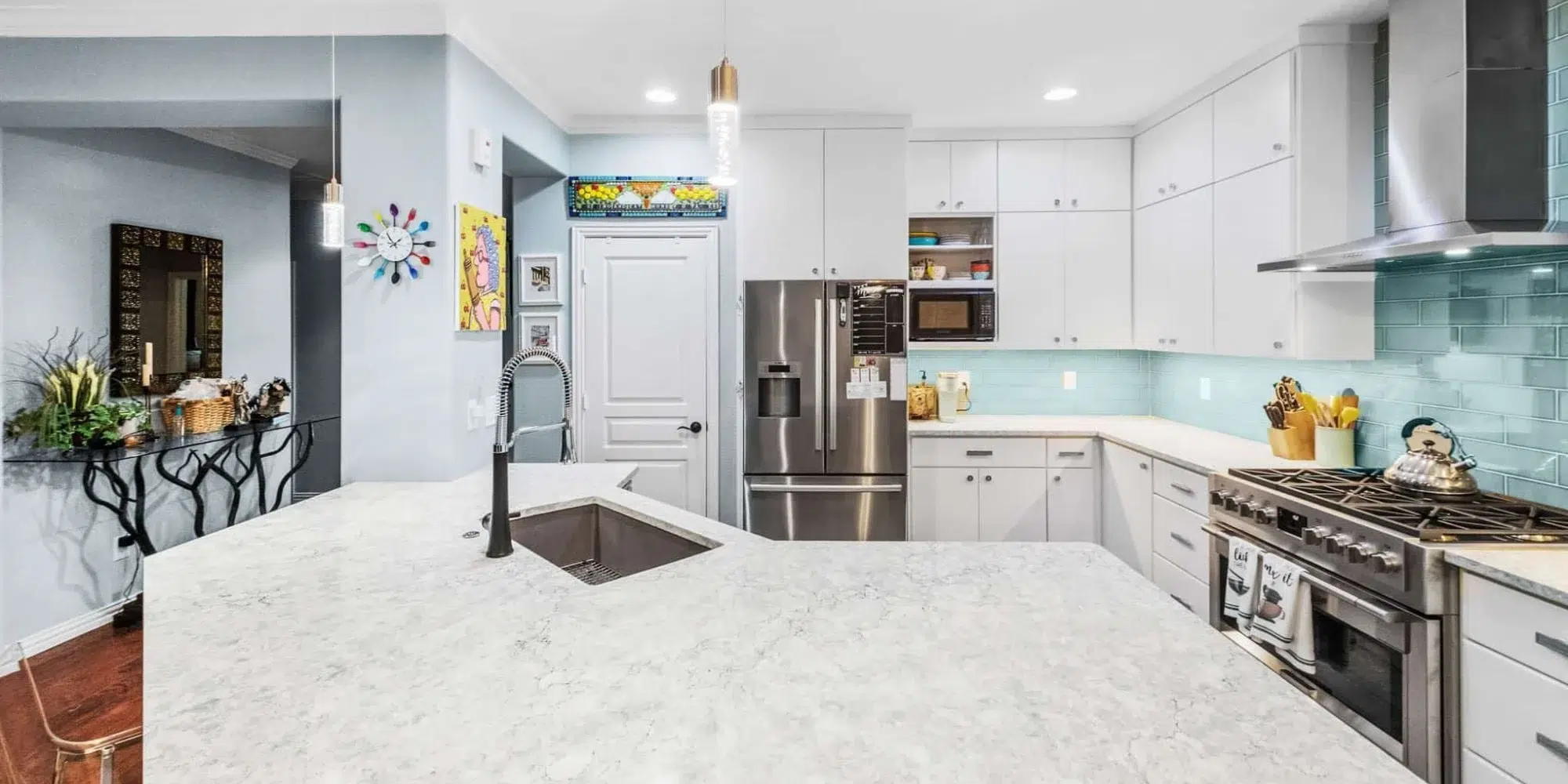
Before construction begins, this is the phase where everything gets finalized, so you know exactly what to expect moving forward.
At this point, your design, selections, and layout are developed in detail, and your project is carefully reviewed by trade partners and estimators. Instead of broad ranges, you’ll receive a clear, line-by-line estimate that reflects the real scope of your project.
This is also where a lot of behind-the-scenes coordination happens. Every detail is reviewed to make sure everything works together the way it should.
What makes this step so important is clarity. When decisions are made upfront, you’re not left figuring things out during construction. You can move forward knowing your budget, your selections, and your expectations are all aligned.
It’s a quieter phase, but it’s one of the most important because this is what turns a good plan into a smooth build.
Phase 4: Construction & Project Management
This is where everything you’ve planned starts coming to life and where having the right team really makes a difference.
Once construction begins, you’ll have a dedicated team managing the day-to-day details, from coordinating trades to keeping materials and timelines on track.
During this phase, you can expect:
- Site preparation and protection: Keeping the rest of your home as clean and protected as possible
- Demolition and structural work: Followed by installation of cabinetry, surfaces, and finishes
- Ongoing coordination between trades: So everything moves forward smoothly
- Consistent communication: So you know what’s happening and what’s coming next
There’s always a lot happening behind the scenes, but your experience shouldn’t feel chaotic. When everything has been planned out properly, construction tends to feel much steadier, more organized, and predictable.
Phase 5: Final Walkthrough & Project Completion
As your project wraps up, this is where everything comes together, and the final details are carefully reviewed.
You’ll walk through the space with your team to make sure everything meets expectations, from the big-picture design down to the finishing touches. If anything needs adjustment, it’s addressed before the project is officially complete.
It’s also the moment where you get to fully experience the transformation and how it feels to live in a space that was designed around you.
Your Warranty & Long-Term Peace of Mind
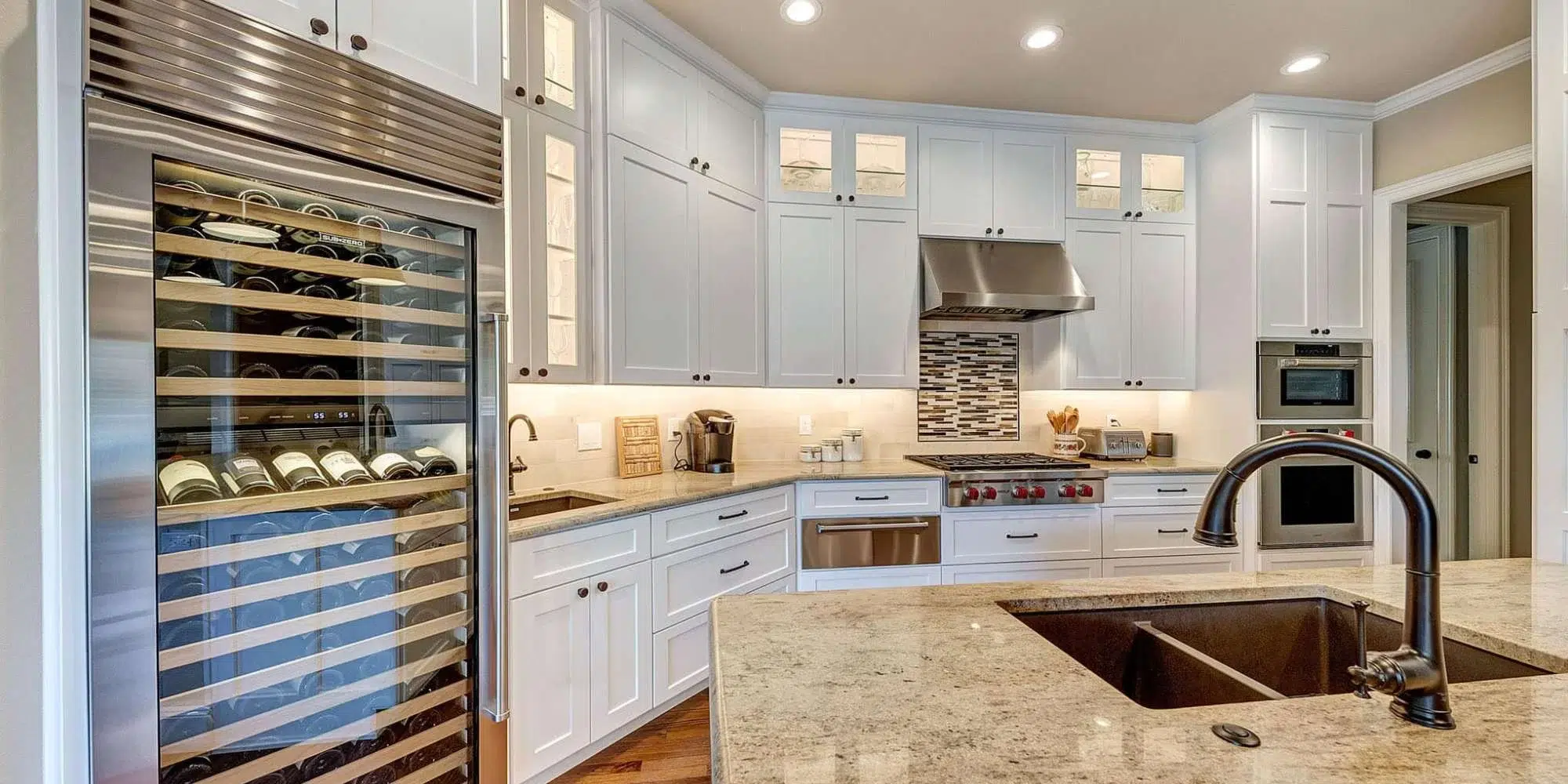
A well-done remodel shouldn’t just look great on day one. It should hold up over time.
That’s why your project is backed by a warranty, so you can feel confident your investment is protected even after construction is complete. You still have a team you can reach out to.
This kind of long-term support is part of what makes the entire process feel more secure, because you’re building something that’s meant to last, with people who stand behind their work.
Where Remodeling Projects Typically Go Wrong
Most remodeling problems don’t start during construction. They start much earlier: during planning.
When key decisions are rushed or left unresolved, things can quickly become stressful. Budgets shift, timelines stretch, and what should feel exciting starts to feel uncertain.
Here are a few of the most common issues:
- Design decisions happening too late: Finalizing layouts or selections during construction leads to delays and added costs
- Budget and scope not fully aligned: When expectations and investment don’t match early on, adjustments become inevitable
- Too many moving parts: Working with separate designers, contractors, and vendors can create gaps in communication
- Lack of clear planning: Without a detailed roadmap, small decisions can snowball into bigger issues
- Selections made without full context: Choosing materials without understanding lead times, installation needs, or cost impact can create setbacks
- Underestimating project complexity: Structural changes, plumbing moves, or custom features often require more coordination than expected.
- Limited communication during construction: Not knowing what’s happening or what’s next can make the process feel more stressful than it needs to be
- No clear decision timeline: Delayed approvals or last-minute changes can slow progress and impact scheduling
The good news is that most of these challenges are preventable. When your design, budget, and plan are fully aligned before construction begins, the entire experience feels more predictable.
Checklist: How to Know You’re Ready for a Home Remodel
If you’re starting to think about remodeling, a few key signs can tell you you’re on the right track.
- You may be ready to move forward if:
- You have a clear sense of what’s not working in your space.
- You’re planning to stay in your home long-term.
- You have a general investment range in mind, even if it’s flexible.
- You’re open to guidance during design decisions and want help navigating options and trade-offs.
- You’re ready to make decisions in a timely way, because momentum keeps projects on track.
- You value a structured, well-managed process.
If several of these feel true for you, it’s usually a good sign you’re in a strong position to start planning your project.
How Elite Remodeling Guides You From Start to Finish
A great remodel doesn’t just happen. It comes from having the right people guiding you along the way.
At Elite Remodeling, you’re working with one team from the very beginning, so everything stays connected. Instead of figuring things out as you go, you’re guided through each step with clear expectations and real-time insight into how your decisions shape the project.
You’ll work with certified designers who focus not just on how your space looks but also on how it works day to day. With a dedicated showroom and selection coordinators to help along the way, decisions feel a lot more straightforward.
Behind the scenes, everything is carefully planned and managed, so your project stays organized and on track. The goal is simple: to help you move through your remodel with confidence and end up with a space that truly fits your life.
Common Questions About the Home Remodeling Process
How long does a home remodel take in Frisco?
A home remodel can take from 5 to 8 months from design through construction, depending on the size and complexity of your project. Planning and decision-making early on play a big role in keeping things on schedule.
What happens before construction begins?
Before construction starts, your design, selections, and scope are finalized, and a detailed estimate is developed. This ensures everything is aligned, so there are fewer surprises once work begins and your project can progress with clarity.
Do I need a designer before starting a remodel?
Working with a designer early in the process helps ensure your layout, selections, and budget are all aligned from the beginning. It also helps you avoid costly changes later in the project. This is what makes the design-build process so superior.
How can I avoid surprises during a remodel?
The best way to avoid surprises is through detailed planning and clear communication before construction begins. When decisions are made early, and expectations are aligned, your project stays more predictable and far less stressful.
A Better Remodeling Experience Starts With the Right Process
A successful remodel is about more than the finished space. Your experience along the way is just as important. When you have a clear process, thoughtful planning, and the right team guiding you, everything becomes more manageable and far less stressful.
At Elite Remodeling, that process is designed to give you clarity from the very beginning. If you’re thinking about remodeling your home in Frisco, we’re here to help you understand what’s possible and how to approach it the right way. Reach out, and let’s schedule your consultation.