Preparing for a successful major remodel goes well beyond the blueprints. To keep your home, routines, family, and sanity running smoothly, you need a checklist that covers what you may not have even thought about.
This guide covers the essential logistics homeowners need to prepare for a major remodel, including living arrangements, storage solutions, strategic packing, temporary kitchens, protecting the home, managing daily routines, and emotionally preparing for the disruption.
Here are the steps you should take before remodeling construction is underway:
Step 1: Decide if You'll Stay or GoStep 2: Plan for Storage (Onsite Pods vs. Offsite Units)
Step 3: Pack Strategically (Not Just Quickly)
Step 4: Set up a Temporary Kitchen (If You’re Staying Home)
Step 5: Protect the Rest of Your Home
Step 6: Make Arrangements for Pets, Kids, and Work-From-Home Life
Step 7: Understand Access, Parking, and Daily Schedules
Step 8: Prepare Emotionally for the Disruption
Step 1: Decide if You'll Stay or Go
One of the most important logistical decisions you’ll make is where and how your household will live during construction. This choice affects everything that follows: storage, packing, daily routines, safety, and overall stress level.
Below are the three most common options homeowners consider, along with the factors that typically influence the right decision.
Option 1: Staying in the Home During Construction
Many homeowners choose to remain in their home throughout the remodel, especially if the project is phased or limited to certain areas.
Best for:
-
Partial remodels (one kitchen, one bathroom, or a defined area)
-
Smaller households with flexible routines
-
Homeowners are comfortable with noise, dust, and daily disruption
Things to Consider:
-
Construction zones will be off-limits during work hours
-
Noise, dust, and foot traffic are part of daily life
-
You’ll likely need temporary solutions for kitchens or bathrooms
-
Pets and work-from-home schedules require extra planning
Option 2: Partial Relocation (Short-Term or Intermittent Moves)
Some families choose a hybrid approach: staying in the home part of the time and relocating during the most disruptive phases.
Best For:
-
Primary suite or kitchen remodels
-
Families with children or pets
-
Homeowners who want breaks from peak construction periods
Things to Consider:
-
You may still need storage and packing solutions
-
Coordinating move-in/move-out timing matters
-
Short-term rentals, family stays, or hotel options may be needed intermittently
-
Budgeting for temporary housing and duplicate living expenses is often overlooked
Option 3: Full Temporary Move-Out
For major renovations or whole-home remodels, temporarily moving out is often the least stressful option overall.
Best For:
-
Whole-home remodels or structural changes
-
Homes with multiple pets or small children
-
Homeowners working full-time from home
-
Projects with long timelines or significant demolition
Things to Consider:
-
You’ll need off-site storage for most belongings
-
Utilities may be shut off intermittently during construction
-
Daily construction progress can move faster without occupants
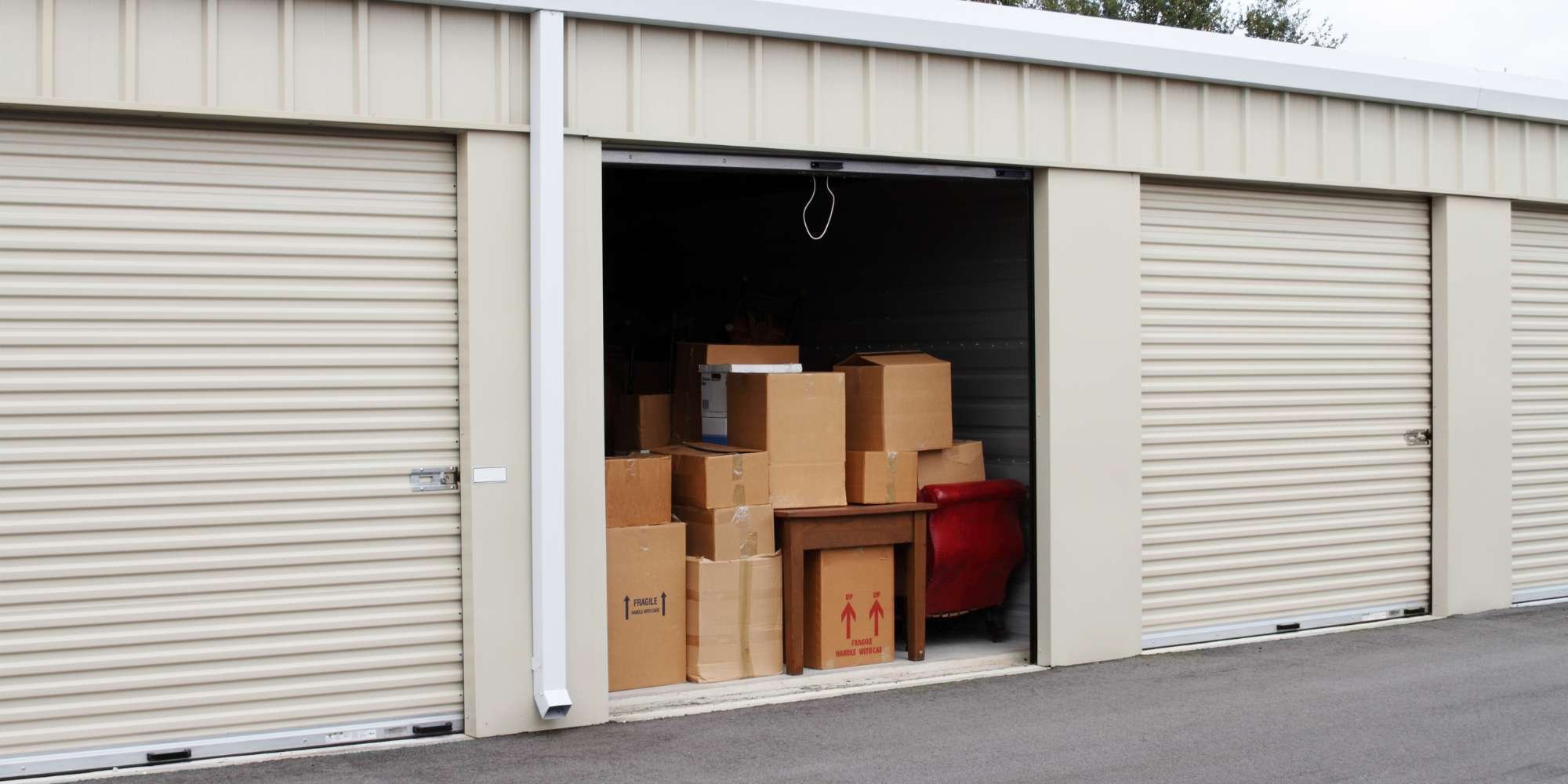
Step 2: Plan for Storage (Onsite Pods vs. Offsite Units)
Once you know how you’ll live during construction, the next critical step is deciding where your belongings will go. Major remodels require clearing large portions of the home, and having a smart storage plan prevents damage, delays, and daily frustration.
Most homeowners choose between onsite storage pods and offsite storage units—and sometimes a combination of both.
Option 1: Onsite Storage Pods (Driveway or Property Placement)
Portable storage containers placed on your driveway or property offer convenient access throughout the remodel.
Best For:
-
Homeowners staying in the house
-
Phased remodels where access to items is needed
-
Short- to mid-length projects
Pros:
-
Easy access to belongings during construction
-
No repeated trips to a storage facility
-
Faster packing and unpacking
- No need for a moving truck
Things to Consider:
-
HOA rules or city restrictions may apply
-
Driveway space and access need to be planned
Option 2: Offsite Storage Units
Offsite storage facilities provide secure, climate-controlled space away from the construction zone.
Best For:
-
Full temporary move-outs
-
Long-term or whole-home remodels
-
Storing furniture, art, or climate-sensitive items
- A large amount of belongings
Pros:
-
Climate control for valuables and furniture
-
Keeps the jobsite clear and efficient
-
Ideal for extended timelines
Things to Consider:
-
Limited access once items are stored
-
Requires transportation planning
-
Labeling and inventory become especially important
Step 3: Pack Strategically (Not Just Quickly)
One of the most common mistakes homeowners make before a major remodel is rushing through packing. Strategic packing makes daily life easier, protects your belongings, and saves time when it’s finally time to move back in.
The goal isn’t to pack everything. It’s to pack intentionally.
Start With Room-by-Room Packing (Not the Whole House at Once)
Approaching packing one room at a time helps prevent chaos and keeps essentials accessible.
Best Approach:
-
Begin with the rooms least used day-to-day
-
Finish with spaces you rely on most
-
Keep packed rooms fully cleared once completed
Protect Fragile, Valuable, and Sentimental Items Separately
Not everything should be packed the same way or stored in the same place.
Extra Care Items Include:
-
Artwork and mirrors
-
Electronics
-
Family heirlooms or keepsakes
-
Important documents
Create an “Essentials” System for Living Through Construction
Set aside items you’ll need daily, so you’re not constantly opening boxes.
Essentials May Include:
-
Clothing and toiletries
-
Temporary kitchen or bathroom supplies
-
Work-from-home equipment
-
Pet and child necessities
Step 4: Set Up a Temporary Kitchen (If You’re Staying Home)
If your remodel includes a kitchen or affects plumbing, appliances, or countertops, setting up a temporary kitchen is one of the most important steps to maintain daily routines. A well-planned temporary setup won’t replace a full kitchen, but it will keep meals, routines, and sanity intact during construction.
Decide What Appliances You Actually Need
You don’t need to recreate your full kitchen, just cover the basics.
Most Homeowners Rely On:
- Microwave or toaster oven
- Coffee maker or electric kettle
- Mini fridge or secondary refrigerator
- Slow cooker, Instant Pot, or hot plate
- Electric griddle or single-burner induction cooktop
- Blender or personal smoothie maker for quick meals
Plan Simple Meal Routines Ahead of Time
Daily cooking looks very different during a remodel, and that’s okay.
Helpful Strategies:
-
Lean into easy-prep or one-appliance meals
-
Use disposable plates and utensils when needed
-
Plan for takeout or meal delivery on heavy construction days
-
Stock shelf-stable snacks and drinks
Set Up a System for Dishes, Trash, and Cleanup
Without a full sink or dishwasher, cleanup needs to be intentional.
Options to Consider:
-
Use a utility sink or bathroom sink for washing
-
Wash dishes once per day instead of constantly
-
Keep trash and recycling clearly separated
-
Use liners or disposable items to reduce washing
Step 5: Protect the Rest of Your Home
Even when construction is limited to certain areas, the effects of a major remodel can travel throughout the house. Taking time to protect adjacent spaces helps preserve finishes, reduce cleanup, and keep the rest of your home livable during construction.
What Professional Remodelers Typically Protect
Experienced remodelers put safeguards in place before demolition begins.
Common Protections Include:
-
Floor coverings along work paths and high-traffic areas
-
Temporary wall barriers or zip walls to contain dust
-
Protection for staircases and entryways
-
Covered air returns or sealed vents in affected zones
Additional Steps Homeowners Can Take
Homeowners can add an extra layer of protection, especially for high-value or sentimental items.
Helpful Homeowner Actions:
-
Move artwork, mirrors, and décor off the walls near work areas
-
Relocate furniture away from construction zones
-
Store electronics, instruments, and valuables in protected spaces
-
Remove rugs, runners, and floor décor from walkways
-
Cover remaining furniture with breathable drop cloths to protect from dust
Managing Dust, Noise, and Foot Traffic
Construction brings activity, and planning for it makes daily life easier.
Practical Strategies Include:
-
Establishing clearly marked walk paths for crews
-
Closing doors to non-construction areas when possible
-
Using door sweeps or draft blockers to reduce dust migration
-
Planning quiet times around meetings, naps, or school schedules
Prepare HVAC and Ventilation for Construction Conditions
Air quality is often overlooked but plays a big role in comfort.
Before Work Begins:
-
Replace HVAC filters with high-quality, dust-rated filters
-
Confirm which vents will remain open or temporarily sealed
-
Consider portable air purifiers in living areas

Step 6: Make Arrangements for Pets, Kids, and Work-From-Home Life
Major remodeling affects more than just walls and floors; it impacts the daily rhythms of everyone in the household. Planning ahead for pets, children, and work-from-home needs helps maintain safety, focus, and peace of mind throughout construction.
Create Safe Zones for Pets During Construction Hours
Pets can be stressed by noise, unfamiliar people, and open doors, so clear boundaries are essential.
Helpful Steps Include:
-
Designating a quiet, closed-off room away from construction
-
Using baby gates or crates to limit access to work zones
-
Scheduling daycare, boarding, or walks during heavy construction days
Adjust Work Schedules or Office Locations
Working from home during a remodel often requires flexibility.
Common Adjustments Include:
-
Shifting meetings to quieter times of day
-
Temporarily relocating to a spare room or coworking space
-
Using noise-canceling headphones or white-noise machines
-
Planning remote days away from the house during demolition phases
Know When Temporary Routines Are Worth the Investment
Sometimes short-term changes make long-term comfort possible.
Worthwhile Investments May Include:
-
Pet daycare or dog walkers
-
Temporary childcare or after-school programs
-
Short-term office rentals or hotel days
-
Occasional meals out during peak construction
Step 7: Understand Access, Parking, and Daily Schedules
Clear expectations around access, parking, and daily schedules help prevent misunderstandings and keep your remodel running smoothly. These details may seem minor, but they play a big role in minimizing disruption and maintaining a respectful, efficient work environment.
Confirm Where Crews Will Park
Parking logistics should be discussed before construction starts.
Things to Clarify Include:
-
Which driveway or street areas the crew will use
-
Whether HOA or city parking rules apply
-
Where deliveries or dumpsters will be placed
Understand How Crews Will Enter and Exit the Home
Knowing where daily entry points will be helps you protect your home and plan routines.
Typical Considerations Include:
-
Designated doors for crew access
-
Protection for entryways and walk paths
-
Times when doors may be opened frequently
-
Security considerations if you’re away during the day
Set Clear Work Hours and Off-Limits Areas
Establishing boundaries up front prevents confusion later.
Important Details to Confirm:
-
Daily start and end times
-
Which rooms remain off-limits at all times
-
Areas that may temporarily change during phases
Plan for Deliveries, Inspections, and Check-Ins
Major remodels involve more than just daily construction activity.
Expect Periodic:
-
Material deliveries
-
Inspections by local officials
-
On-site check-ins or walkthroughs

Step 8: Prepare Emotionally for the Disruption
Even with excellent planning, living through a major remodel can feel emotionally taxing at times. Understanding what’s normal and knowing that temporary discomfort doesn’t mean something is wrong helps homeowners stay grounded and confident throughout the process.
Expect Some Level of Daily Disruption
Noise, dust, and routine changes are part of construction, even on well-run projects.
What’s Normal to Experience:
-
Louder days during demolition or framing
-
Temporary mess at the end of a workday
-
Changes in access to certain rooms
-
A feeling that progress is slow at times
Understand That Progress Isn’t Always Visually Linear
Not every phase of construction looks productive, even when important work is happening.
Examples Include:
-
Behind-the-scenes mechanical or structural work
-
Inspection-related pauses
-
Prep stages before finishes go in
Focus on Milestones, Not Daily Inconveniences
Large projects are best measured in phases rather than day-to-day changes.
Helpful Mindset Shifts:
-
Celebrate completed stages, not just final results
-
Keep the end goal in mind during challenging weeks
-
Remember that inconvenience is temporary, but results are long-term
Communicate Early Instead of Letting Frustration Build
Questions and concerns are a normal part of remodeling.
Best Practices Include:
-
Asking for clarification when something feels unclear
-
Sharing concerns early rather than waiting
-
Keeping communication factual and solution-focused
Build in Breaks and Moments of Normalcy
Sometimes the best way to manage disruption is to step away from it.
Helpful Strategies Include:
-
Scheduling time out of the house during heavy construction days
-
Keeping weekend routines intact when possible
-
Creating one calm, construction-free space in the home
Preparation Makes All the Difference
A well-prepared home leads to a smoother remodeling experience and far fewer surprises along the way. Taking the time to plan logistics before construction begins helps protect your home, your routines, and your peace of mind.
If you’re preparing for a major remodel, Elite Remodeling is here to guide you through every step. Schedule a consultation, and let’s make the process as seamless as possible.