
There’s no one-size-fits-all answer when it comes to living arrangements during a remodel; only the option that best fits your household and lifestyle. This guide breaks down the real-life considerations so you can choose the option that best supports your comfort, routines, and peace of mind.
This blog walks homeowners through the pros, challenges, and logistics of staying home, partially relocating, or moving out during a remodel, while outlining key factors like project scope, timelines, family needs, and stress tolerance to help make a confident, informed decision.
Here are the main options we're talking about today:
Option 1: Staying in Your Home During the Remodel
Option 2: Partial Relocation During Key Phases
Option 3: Leaving the Home Temporarily
Key Factors That Should Drive Your Decision
Option 1: Staying in Your Home During the Remodel
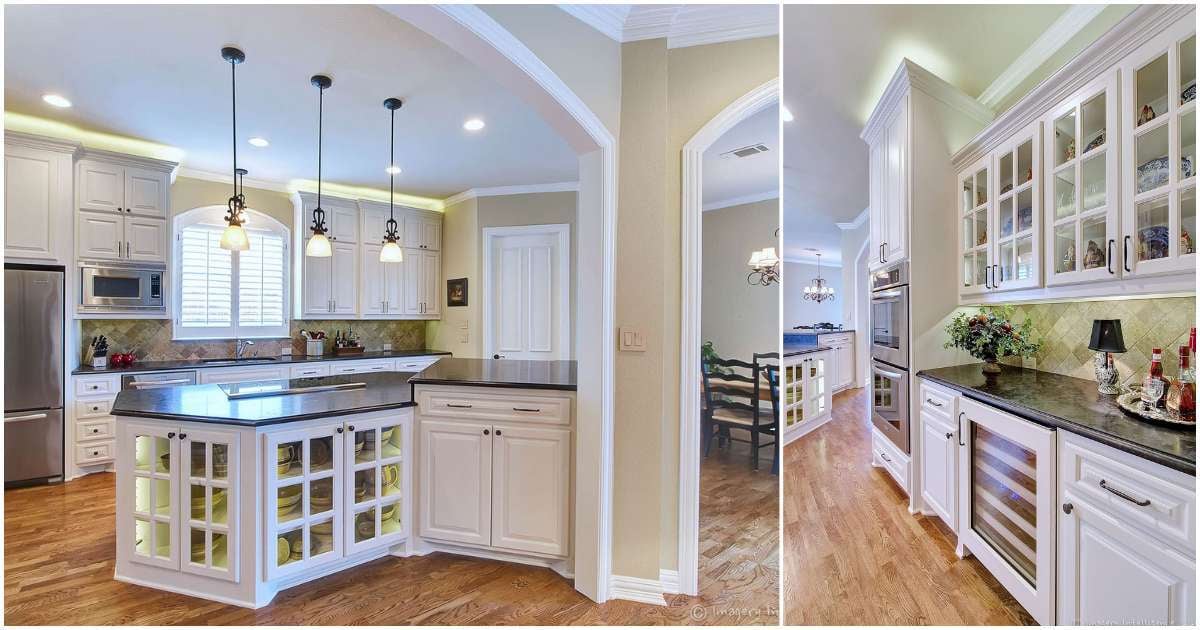
Many homeowners choose to stay in their home throughout the remodeling process, especially when the project is limited to certain areas or completed in phases.
This approach can feel more manageable when you want to maintain a sense of normalcy during construction. While this option can be more economical, it requires flexibility, patience, and mindful preparation.
What This Typically Looks Like
Living at home during a remodel means adjusting daily life around active construction. Your home becomes both a living space and a jobsite, which requires clear boundaries and realistic expectations.
-
Living Alongside Active Construction Zones:
Certain rooms or areas will be off-limits during work hours, and crews will be present in the home most weekdays. -
Temporary Kitchens, Bathrooms, and Altered Routines:
Daily habits like cooking, showering, and working may shift to temporary setups or shared spaces.
Pros of Staying Home
For the right household, staying put can offer meaningful advantages. It can also help you feel more in control of the process when you prefer to remain closely connected to your home and project.
-
Avoids Temporary Housing Costs:
Remaining in the home eliminates the expense of short-term rentals, hotels, or extended stays elsewhere. -
Easier Access to Belongings:
Items stored onsite or in designated rooms are more accessible when you need them. -
Ability to Monitor Progress Daily:
You can easily stay informed and feel connected to the progress of the project. -
Less Disruption to School and Commute Routines:
Staying home avoids the logistical challenges of changing school schedules, commutes, or daily drop-offs.
Challenges to Expect
It’s important to go into this option with realistic expectations. Understanding these challenges will help you decide whether staying home aligns with your comfort level and lifestyle.
-
Noise, Dust, and Limited Privacy:
Construction activity brings sound, dust, and frequent foot traffic through portions of the home. -
Disrupted Routines:
Morning, evening, and weekend routines often need adjustment throughout the project. -
Managing Pets, Kids, and Work-From-Home Needs
Safety, focus, and quiet time can require extra planning when construction is underway.
Why Some Homeowners Prefer This Option
Many prefer staying home because it allows them to maintain familiar routines and avoid the added cost of temporary housing. For projects that are well-phased or limited in scope, remaining in the home can feel manageable and reassuring.
Option 2: Partial Relocation During Key Phases
Partial relocation offers a hybrid approach for homeowners who want to limit disruption without fully moving out for the duration of the remodel.
This option allows families to remain at home during lighter phases of construction and temporarily relocate during the most disruptive stages.
What Partial Relocation Typically Looks Like
With this approach, homeowners plan short-term stays away from the home when construction activity peaks.
-
Staying Home During Lower-Impact Phases:
Families remain in the home while work is confined to limited areas or quieter tasks. -
Leaving During Demolition or Utility Shutdowns:
Temporary relocation often coincides with heavy demolition, plumbing shutoffs, or intensive workdays.
Pros of Partial Relocation
For many homeowners, this option provides a comfortable balance between convenience and cost. It offers relief during the most intense phases of construction without requiring a full disruption to daily life.
-
Reduces Stress During the Most Disruptive Phases:
Avoiding the noisiest and messiest periods can significantly improve quality of life. -
More Flexible Than a Full Move-Out:
You can adapt your living arrangements as the project progresses. -
Often Less Expensive Than Leaving Full-Time:
Short-term stays typically cost less than extended rentals or long hotel stays. -
Allows Breaks Without Losing Connection to the Home:
Step away when needed while still maintaining familiarity and access.
Challenges to Consider
This approach requires coordination and realistic expectations. Without a clear plan, the back-and-forth nature of partial relocation can feel more complicated than expected.
-
Coordinating Move-In and Move-Out Timing:
Aligning temporary stays with construction phases takes careful planning. -
Storage and Packing May Still Be Required:
Belongings often need to be cleared even if the home is only partially vacated. -
Short-Term Housing Availability Can Vary:
Hotels, rentals, or family accommodations may not always align perfectly with timelines.
Why Some Homeowners Prefer This Option
Partial relocation appeals to homeowners who want flexibility without fully uprooting their lives. By stepping away during the most disruptive phases, families can reduce stress while still keeping costs and logistics under control. This option works well for those who want balance: comfort when needed, and continuity when possible.
Option 3: Leaving the Home Temporarily
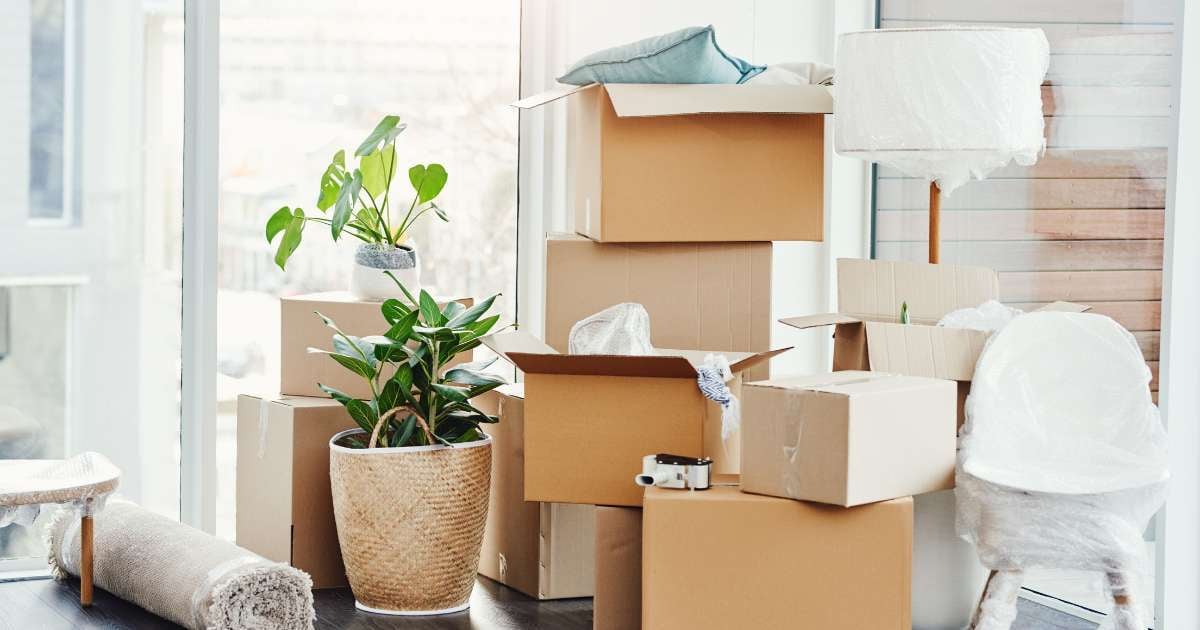
For large-scale or highly invasive remodels, temporarily leaving the home is often the most comfortable and efficient option. While it requires more upfront planning, many homeowners find this approach reduces stress and allows construction to move more smoothly.
When a Full Temporary Move-Out Makes Sense
Leaving the home entirely is most common for projects that affect multiple essential living spaces.
-
Whole-Home or Multi-Room Remodels:
Projects involving kitchens, bathrooms, flooring, or structural changes throughout the home are difficult to live through. -
Extended Timelines or Heavy Demolition:
Long projects with significant demolition, framing, or utility shutdowns often make daily living impractical.
Pros of Leaving During Construction
For many homeowners, this option provides the greatest peace of mind. Being fully removed from the jobsite allows families to focus on daily life instead of ongoing construction activity.
-
Least Day-to-Day Disruption:
Avoid noise, dust, limited privacy, and constant adjustments to routines. -
Faster, More Efficient Construction:
Crews can work without navigating occupied spaces, which can help keep timelines on track. -
No Safety Concerns for Pets or Children:
Removing the household from the jobsite eliminates risks related to tools, open areas, and materials. -
Clear Mental Separation From the Jobsite:
Being away helps you focus on daily life rather than ongoing construction activity.
Challenges to Plan For
A full move-out requires thoughtful logistical coordination.
-
Temporary Housing Costs:
Short-term rentals, extended stays, or hotel accommodations can add to the overall budget. -
Offsite Storage for Belongings:
Most furniture, personal items, and household goods will need secure storage. -
Living Out of a Suitcase:
Even comfortable temporary housing can feel limiting over longer periods.
Why Some Homeowners Prefer This Option
Although it’s not right for everyone, many homeowners find that leaving the home leads to a calmer experience overall.
The reduced stress, improved construction efficiency, and ability to return to a finished space all at once can make this option feel well worth the extra planning.

Key Factors That Should Drive Your Decision
Deciding whether to stay, partially relocate, or move out during a remodel is less about preference and more about how the project intersects with your daily life.
These key factors can help clarify which option will be the least stressful and most realistic for your household.
Scope and Location of the Remodel
The size and location of the project are often the biggest determining factors.
-
Kitchen and primary bathroom remodels tend to disrupt daily routines the most
-
Whole-home or multi-room projects are difficult to live through
-
Projects confined to one area may allow homeowners to remain onsite
-
Structural work or utility relocation typically increases disruption beyond what homeowners expect
-
Projects that affect entrances or main walkways can impact the entire home
Length of the Project Timeline
Shorter projects may be manageable at home, while longer timelines increase fatigue.
-
Brief remodels can feel disruptive, but temporary
-
Extended timelines amplify noise, dust, and routine changes
-
Longer projects increase emotional fatigue even when logistics are well planned
Household Size and Daily Schedules
More people typically means more complexity during construction.
-
Families with children may face safety and routine challenges
-
Multiple adults working from home can struggle with noise
-
Shared bathrooms and kitchens create scheduling pressure
-
Households with frequent guests or caregiving responsibilities may need extra flexibility
Pets and Safety Considerations
Construction zones are rarely pet-friendly environments.
-
Noise and unfamiliar activity can cause anxiety
-
Open doors, tools, and materials pose safety risks
-
Daily containment can become stressful over long periods of time
Work-From-Home and School Commitments
Daily obligations can heavily influence the right choice.
-
Video meetings and focused work don’t mix well with demolition
-
School schedules may be disrupted by noise or access changes
-
Temporary workspaces may be necessary
-
Unpredictable construction days can make scheduling more challenging than expected
Personal Tolerance for Disruption
Every homeowner’s comfort level is different.
-
Some people adjust quickly to temporary inconvenience
-
Others find daily disruption emotionally draining
-
Stress tolerance often changes over the course of a long project
Budget and Overall Stress Load
Cost matters, but so does peace of mind.
-
Staying home saves on housing but increases daily disruption
-
Leaving adds cost but reduces stress
-
Partial relocation balances both
-
Duplicate expenses (meals, utilities, storage) are often overlooked

Choose the Remodel Experience That Works for You
When you plan ahead and choose intentionally, the entire remodeling experience becomes far more manageable. Elite Remodeling is here to help you evaluate your options and choose the best one for you and your family. Schedule a consultation, and let's talk about your options.